
Eco-friendly Vehicle Infrastructure Construction Project
01
Establishment of Eco-Friendly Automotive Parts Cluster
- Construction period2016 - 2022
- Total project cost303 billion KRW (229.5 billion KRW for infrastructure construction, 69.9 billion KRW for technology development)
- Construction area32,989㎡
- Performing entityGwangju Future Automotive Mobility Agency, related organizations in the region, and parts companies
- Project DetailsEstablishment of eco-friendly vehicle-centered infrastructure and industrial ecosystem, advancement of automotive parts industry structure, and support for leading technology development
- Contents of infrastructure construction
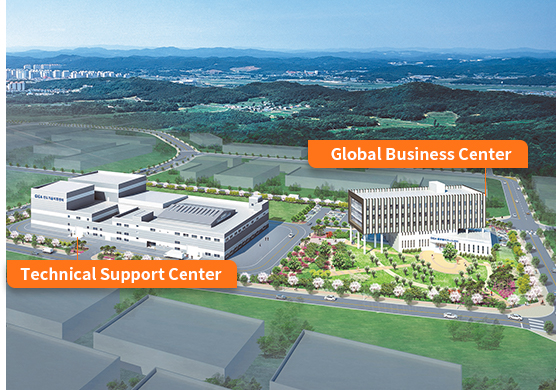
- Establishment of infrastructure (Technical Support Center, Global Business Center) and other facilities
- Industrial ecosystem support, etc. (technical support, commercialization support, and human resource training)
- Technology development details
- Technology development support in four strategic technology fields
- Four strategic technology fields: (x)EV, convergence electronics, lightweight parts, special-purpose automobile, etc.
- Contents of infrastructure construction
02
Eco-Friendly Automotive Parts Certification Center
- Construction period2019 - 2022
- Total project cost39 billion KRW (195 billion KRW from the government and 195 billion KRW from the city government)
- Construction AreaTotal site of 29,916㎡ and building area of 5,116.8㎡
- Performing entityGwangju Future Automotive Mobility Agency, related organizations in the region, and parts companies
- Operation details
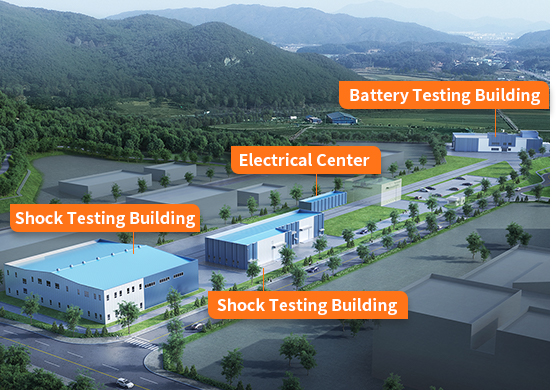
- Establishment of eco-friendly automobile parts certification center in Bit-Green Industrial Complex
- Construction of eco-friendly vehicle parts certification and evaluation facilities (for collision, impact, and battery tests, a total of 26 types)
- Purpose of Service
- Establishment of an agency dedicated to supporting domestic and international eco-friendly vehicle certification and responding to international safety standards
- Establishment of global safety evaluation basis for eco-friendly vehicles
- Support for certification and evaluation of eco-friendly vehicles and parts, etc.
- Executioner
- Jeonnam-Gwangju Special Metropolitan City (general management), Gwangju Future Automotive Mobility Agency (operation), Automobile Safety Research Institute (operation)
![Gwangju-Type Job Model (Gwangju Global Motors [GGM])](/home/eng/images/sub/img_work_thumb03.jpg)
03
Gwangju-Type Job Model (Gwangju Global Motors [GGM])
- Construction period2019 - 2021
- LocationBitgreen National Industrial Complex (about 183,000 pyeong)
- investment scaleabout 575.4 billion KRW (equity capital 230 billion KRW and debt capital 345.4 billion KRW)
- Details of Service
- Establishment of a joint venture for an automotive assemply plant through joint investment with a private company
- Independent new corporate body in which Jeonnam-Gwangju Special Metropolitan City, Hyundai Motor Co., Ltd., local companies, and other financial investors participate as shareholders
- Production typeHyundai Casper
- Production scaleproduction line for 100,000 units
- Number of employeesAbout 700 full-time employees directly employed
- Major agendaAppropriate wages, appropriate working hours, labor-management responsibility management, improvement of contractor-subcontractor relations
Automobile-related public offering and support project





Laying the Foundation for Autonomous Driving
Unmanned Low-Speed Special Vehicle Regulation-Rree Zone
- Business ObjectivesCreating a new growth engine for the future through demonstration and commercialization of autonomous driving of unmanned low-speed special vehicles
- Project periodJanuary 2020 ~ December 2021 (2 years)
- Designated periodDecember 2019 ~ December 2025 (6 years)
- Total project cost26 billion KRW (for R&D support, infrastructure construction, commercialization support)
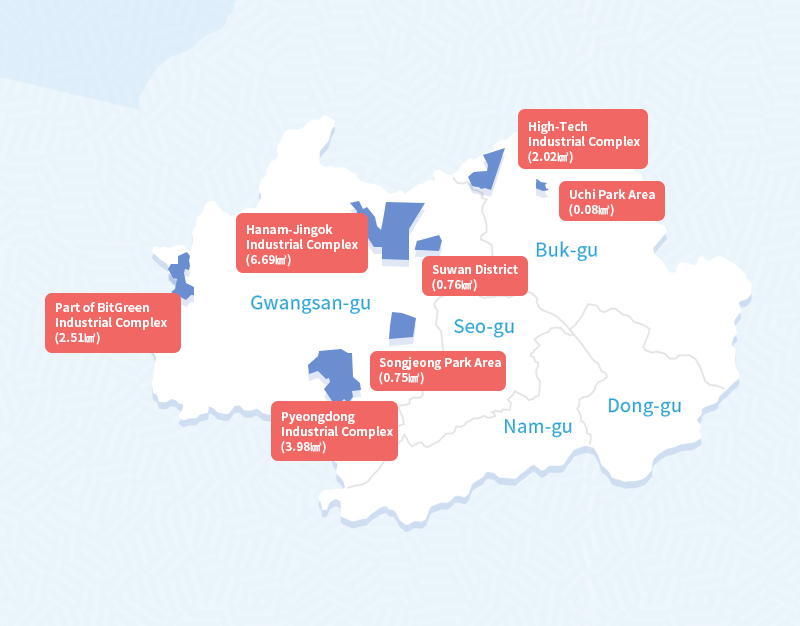
- Location7 areas including Chumdan Industrial Complex and Pyeongdong Industrial Complex (16.79㎢)
- Project DetailsA total of 24 companies (18 operators, 6 cooperatives) participated in two projects, including demonstration of unmanned special vehicles and public data collection and sharing
- Regulatory exceptions5 demonstration cases, 2 special cases for menu boards
- Demonstration exception
- Temporary road driving permission, special vehicle control center operation, road driving operation permission, city park entrance permission, permission to use specially equipped vehicle data collection
- Special menu board type
- Road Act and Location Information Act
- Demonstration exception
Driving Simulator
- Project detailsBuilding a virtual environment for future vehicle service using simulators, preparing supporting systems for the establishment of performance/safety evaluation standards for Lv4 or higher vehicles, and securing the popularity of autonomous vehicles
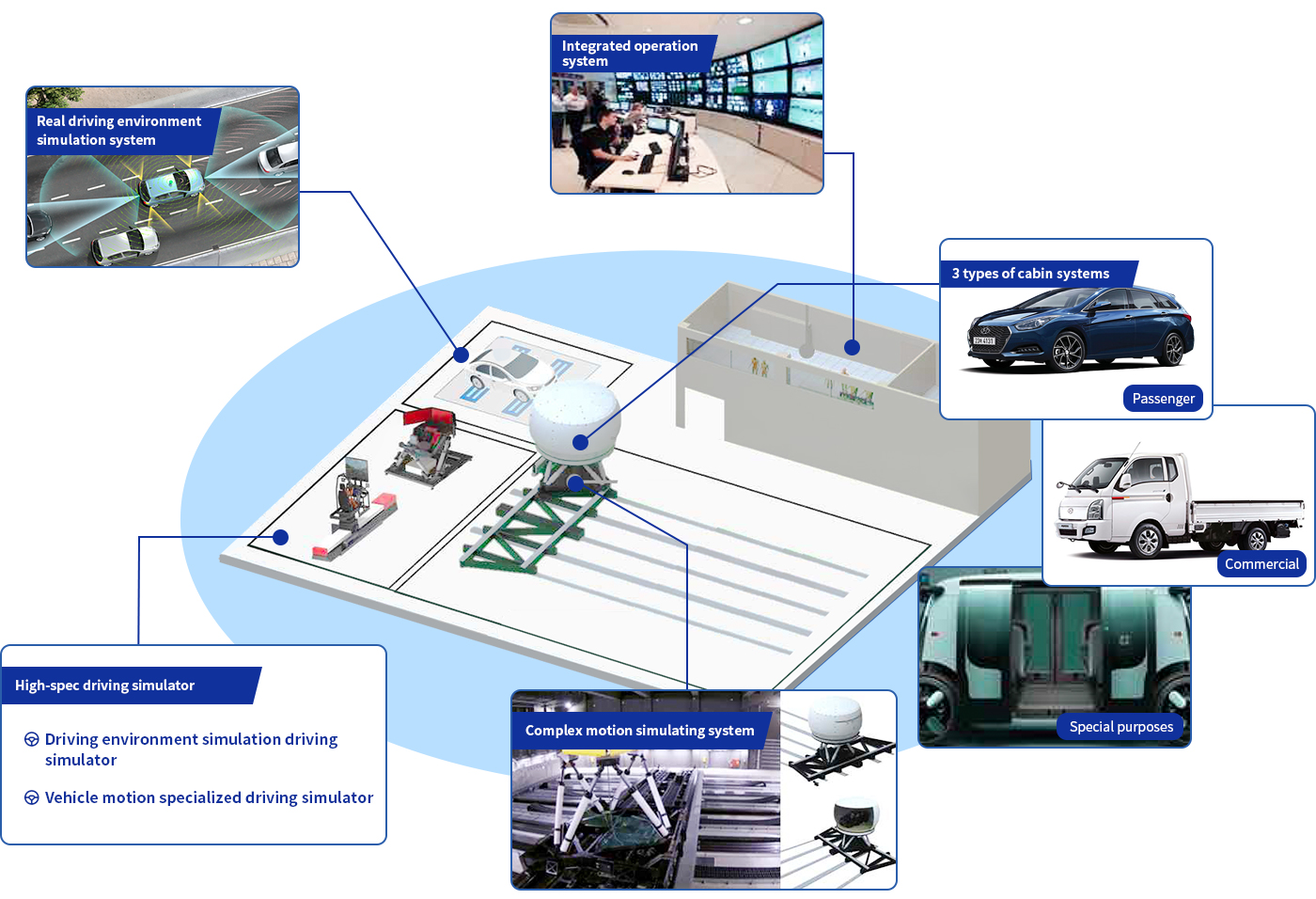
- Large-scale driving simulatorImage system, cabin system, X-Y rail system, 6-axis motion system, integrated control operation room, driver monitoring system, HILS (Hardware in the Loop Simulation), and server system
- Operation concept diagram
Gwangju-Type Job Model (Joint Welfare Project)
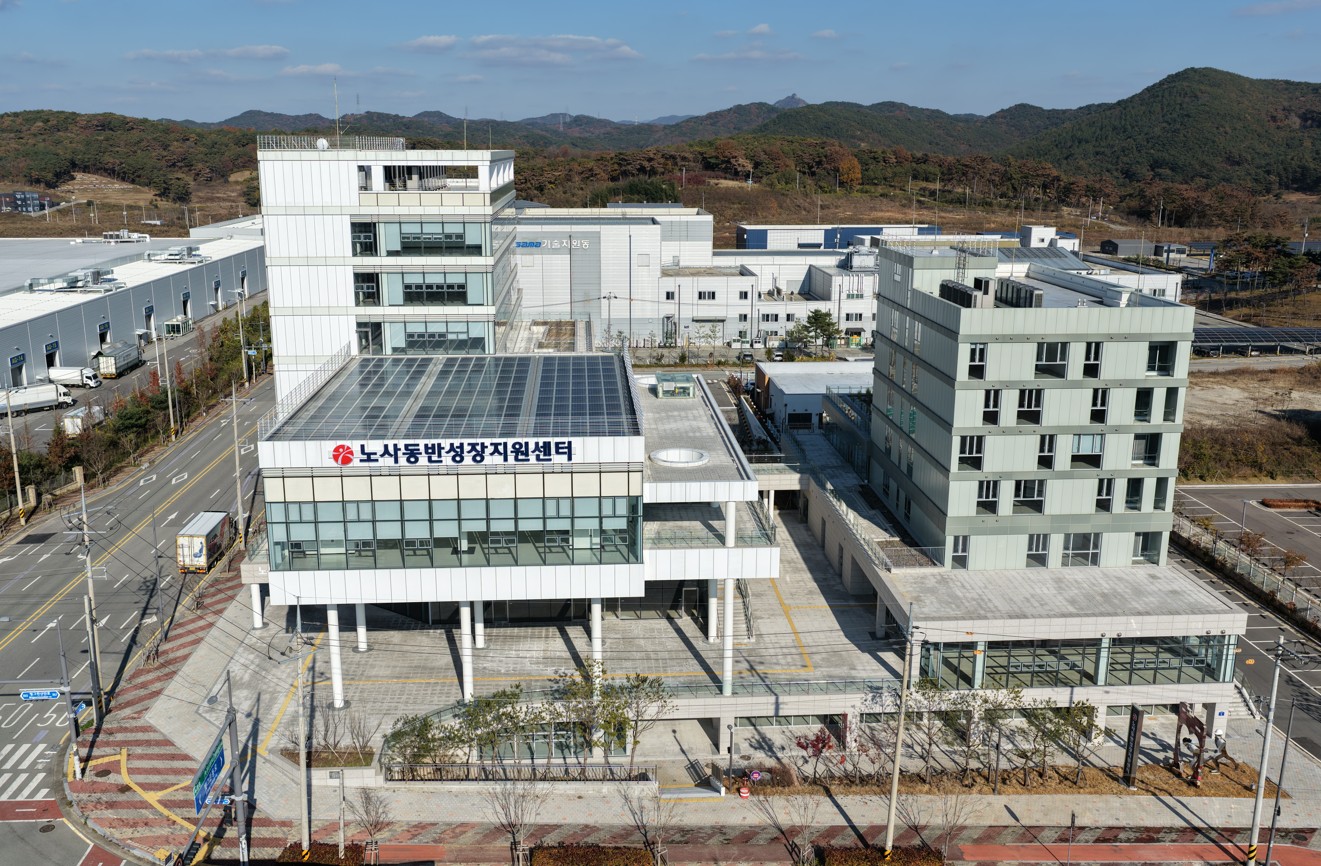
Establishment of Labor-Management Mutual Growth Support Center
- LocationGwangju Bit Green Industrial Complex(Samgeo-dong, Gwangsan-gu)
- Complete schedule2026.
- Project-scale site8247.9㎡ and a total building area of 13858.07㎡ (1 basement floor, 7 ground floors)
- Project budgetKRW 40 billion
- Main functionsA base space for creating local jobs, establishment of an industrial ecosystem for labor-management coexistence, a space for education, publicity, and participation, and a role as a center for social discourse
- Necessity
- Establishing a new industrial ecosystem for creating sustainable regional-led jobs.
- Discussion, research, and educational functions for discovering a win-win regional job model and spreading it across the country are carried out.
- Creating welfare and neighborhood facilities to improve workers' working conditions and welfare.
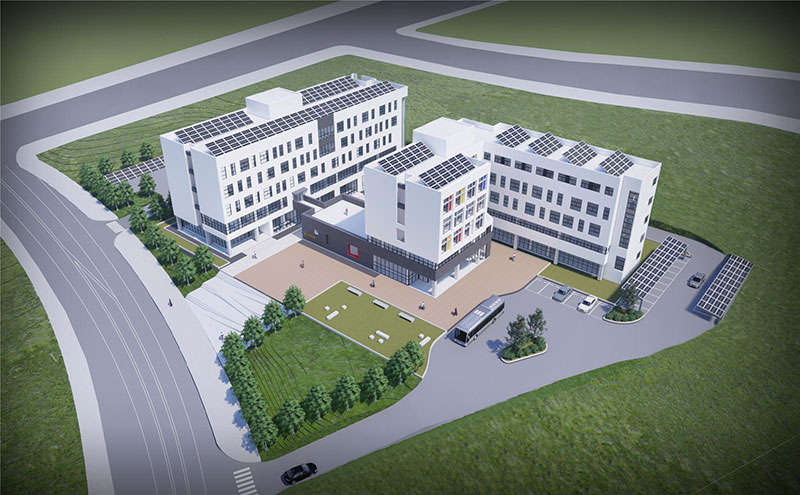
Industry-University Convergence District
- Main functionsCorporate-university cooperation, operation of R&D, human resource nurturing and employment integration, establishment of field-oriented industry-university convergence education system
- Host organization
- Gwangju Industry-University Convergence Institute
- Participating organizations
- Jeonnam-Gwangju Special Metropolitan City
- Chonnam National University
- Gwangju Technopark
- Gwangju Future Automotive Mobility Agency
- Korea Mold Industry Promotion Association
- Korea Industrial Complex Corporation
- Korea Automobile Research Institute
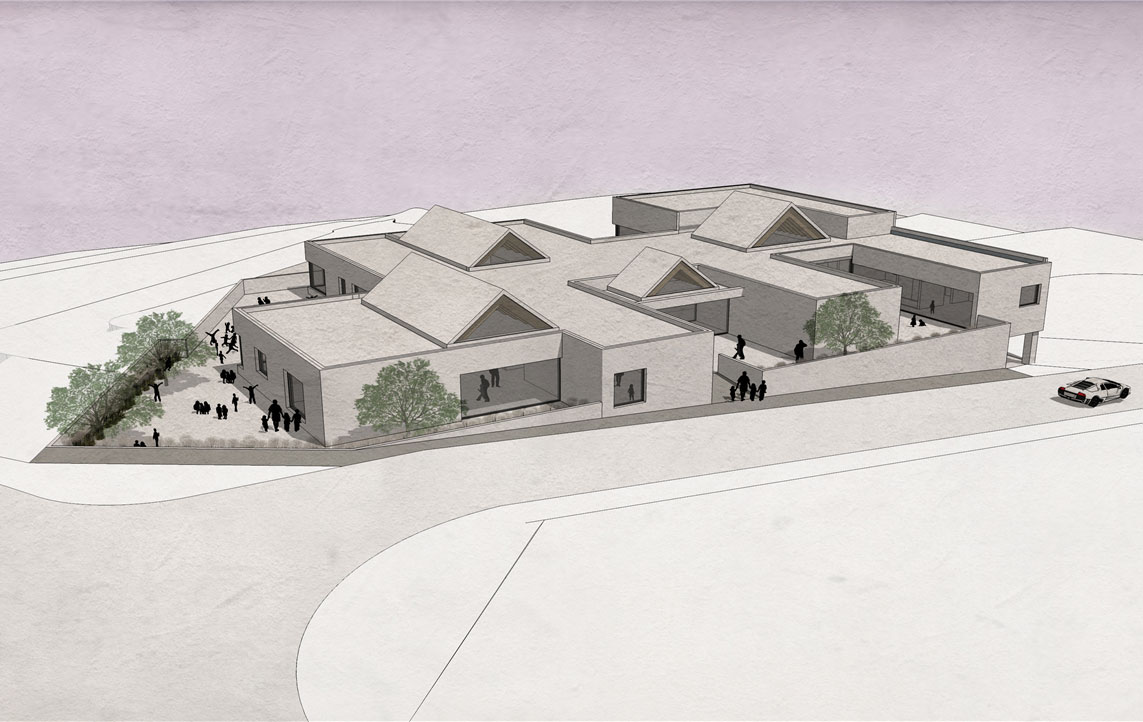
Base-type public workplace daycare center and joint workplace daycare center
- Purpose
- Creating a reliable childcare environment to create a working environment where you can concentrate only on your work.
- Solving childcare problems and preventing career breaks for SME workers.
- ScopeA daycare center with a capacity of 150 people.
- TargetChildren of SME workers who are scheduled to move into Gwangju Bit Green Industrial Complex.
- Project costKRW 7.7 billion
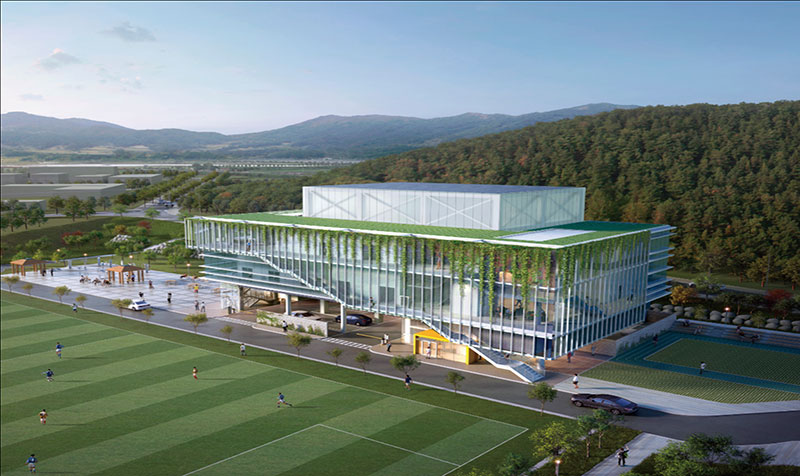
Sports and cultural complex facilities and open gymnasiums
- PurposeGwangju Bit Green Industrial Complex Improving the welfare of workers and residents
- ScopeB1 ~ 3rd floor above ground, total floor area 2560㎡
- Project costKRW 10 billion
- Major facilities
- 1F : parking lot
- 2F : 5 lanes of swimming pool, infant pool, shower room, changing room, etc.
- 3F : Multi-purpose gyms like basketball and badminton
Air Industry Mecca,
Clean Air Industry Cluster
"Selected as a green new deal by the government, Gwangju leaps forward as a hub of the atmospheric industry through the integration of related infrastructure and companies "
2,800 new jobs created and 310 billion KRW in production inducement
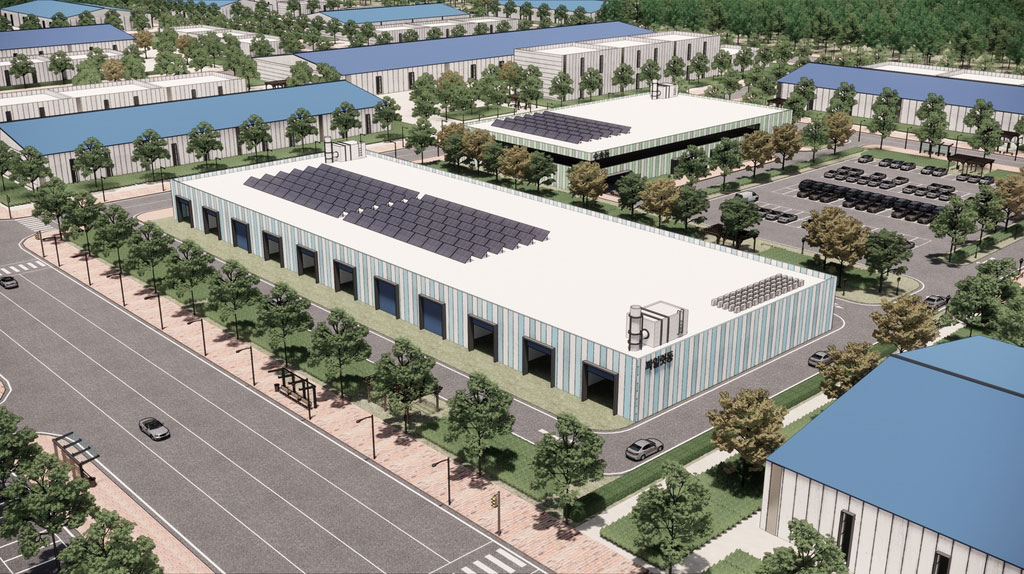
- Period2020 - 2027
- LocationGwangju Bit Green Industrial Complex
- DetailsDevelopment of innovative technology to respond to fine dust, establishment of demonstration complexes, etc.